
“Excellent, knowledgeable and committed therapists, able to pace the exercises with my recoveries and have kept me tuned up for years from various aches and pains that come with aging.”
Cycling Sports Injury Rehab in Corvallis, Including Bike Fit Related Pain
Cycling pain tends to be predictable. It shows up at the same point in the ride, in the same spot, and it gets worse the longer the season goes.
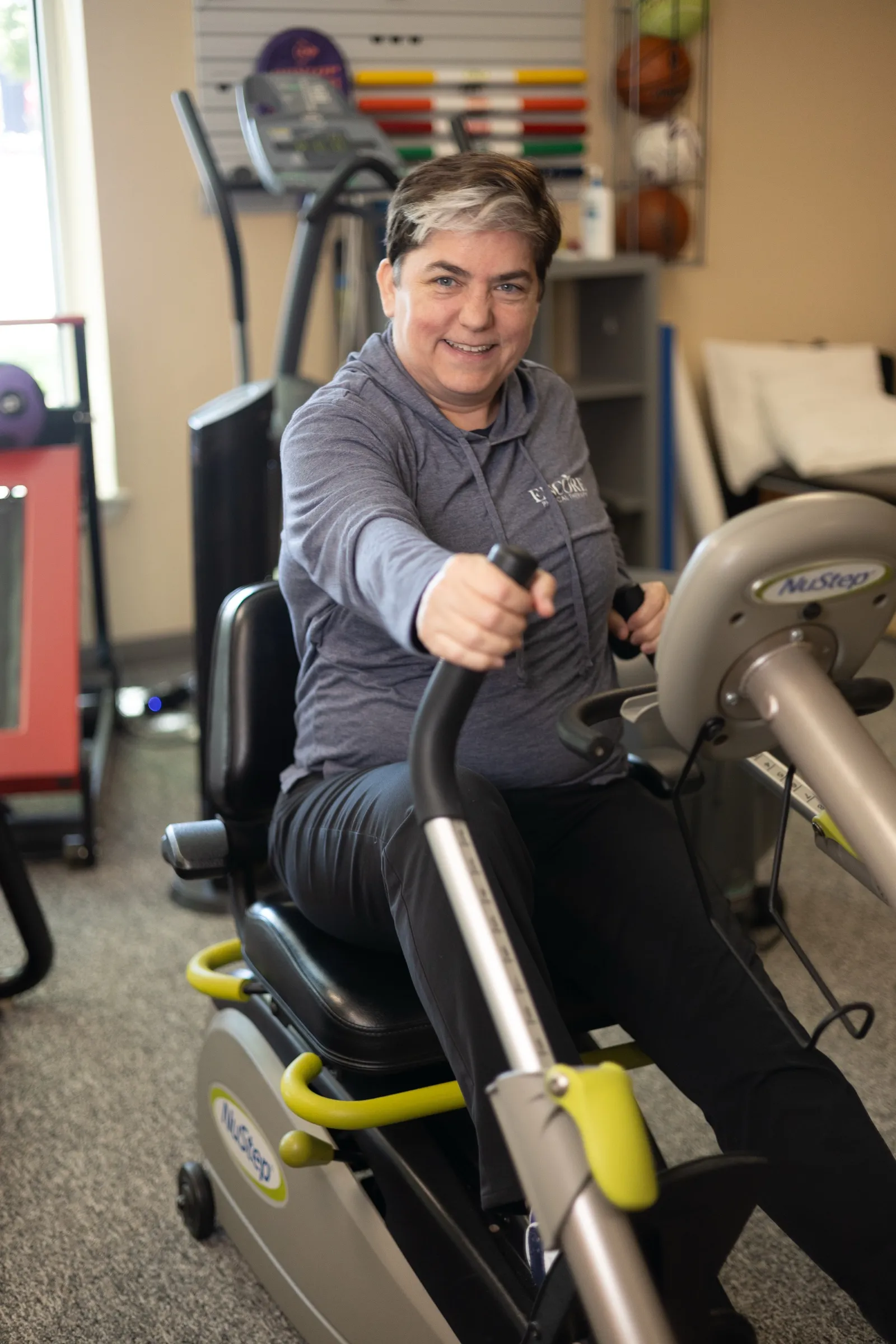
At a glance
This page covers physical therapy for cycling injuries in Corvallis, Oregon: knee pain, low back and neck pain, hand numbness, and hip tightness tied to your position on the bike. It's for road, gravel, mountain, and commuting riders across Benton and Linn Counties. Encore Physical Therapy, 2609 NW 9th Street, Corvallis. Call (541) 758-2235.
- We can typically schedule an evaluation within a couple of weeks.
- Oregon is a direct access state, so you can usually start physical therapy without a doctor's referral.
- Medicare and most commercial insurance accepted, with cash pay available. We'll check your plan when you call.
- Your evaluation is one-on-one with a licensed physical therapist, not handed off.
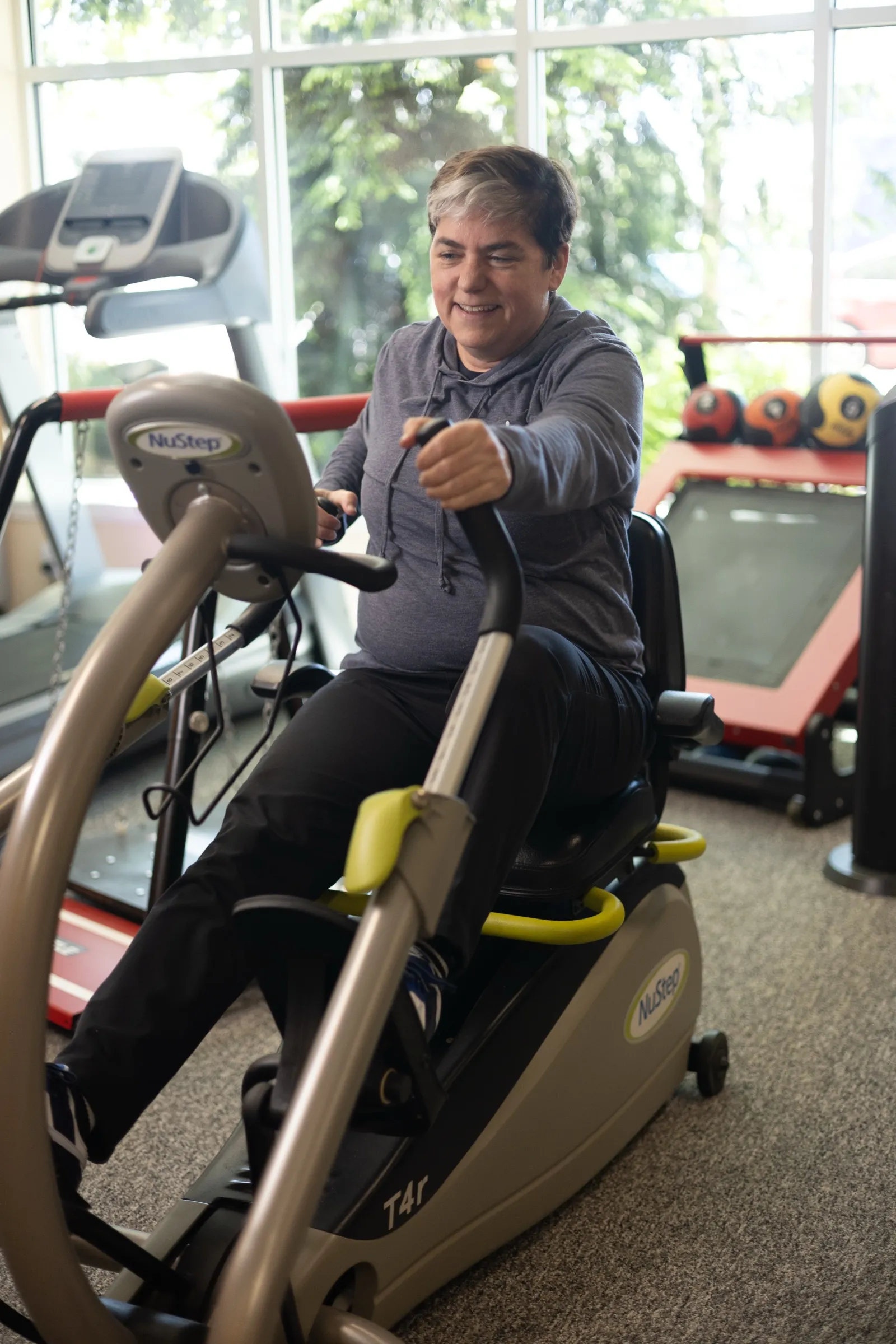
Common Injuries We Treat
Cycling holds one position for hours, so problems show up as irritation and fatigue rather than one dramatic moment.
Knee
- Pain at the front of the kneecap
- Outside-of-knee pain late in long rides
Back and neck
- Low back pain in the second half of a ride
- Neck and upper-shoulder pain from the reach
Hands and hips
- Hand and wrist numbness or tingling
- Tight hip flexors and hip stiffness
After a crash
- Sprains, strains and minor hand injuries
- Strength work once a fracture can take load
Not sure which of these describes what you're feeling? Call (541) 758-2235 and we'll talk it through.
Every condition we see, in detail
We evaluate why your body responds to your riding position the way it does, treat the tissue that's actually irritated, and build the strength and mobility you need to hold a position for hours without paying for it afterward.
Cycling loads the body in a narrow, repeated way. You hold one position for hours and turn the same 90 rpm circle thousands of times, so problems show up as irritation and fatigue rather than a single dramatic moment. The complaints we treat most often on the bike side include:
- Knee pain, especially at the front of the kneecap (patellofemoral pain) or along the outside of the knee toward the end of longer rides
- Low back pain and stiffness that builds over the second half of a ride and lingers after you're off the bike
- Neck and upper shoulder pain from holding an extended reach and looking up the road
- Hand and wrist numbness or tingling, and minor hand injuries after a crash
- Hip pain and stiffness, including tight hip flexors that don't release between rides
- Sprains, strains, and post-crash recovery, including the strength work after a fracture has healed enough to load
If your pain follows a pattern like this, an evaluation is the fastest way to find out what's driving it. Call (541) 758-2235.
How These Injuries Happen
Bike fit and body fit are two different jobs. A fitter changes the bike to match you; physical therapy changes what your body can tolerate on it. We don't offer bike fitting, so we evaluate the rider: hip and ankle range, mid-back rotation, single-leg control and how you hold up under fatigue.
Why it happens, in detail
People searching for physical therapy bike fitting are usually trying to solve one question: is this the bike, or is it me? Both matter, and they're separate jobs. A bike fitter changes the bike to match your body. Physical therapy changes what your body can tolerate on the bike.
To be straight with you, we don't currently offer bike fitting at the clinic. What we do is evaluate the rider. If your right hip won't extend the way your left one does, if your mid-back doesn't rotate, if your glutes stop contributing after 40 minutes and your low back takes over, then no saddle height in the world fully fixes it. A good fit can reduce the demand. It can't create range of motion you don't have or endurance you haven't built.
That's why we start by looking at how you move off the bike: hip and ankle range, thoracic spine mobility, single-leg control, how your trunk holds up under fatigue. Then we connect that to where and when your pain shows up during a ride.
What Care Looks Like at Encore
Treatment is built around what works for you, not a fixed template.
- A one-on-one evaluation A licensed physical therapist takes your riding history, examines the joints and tissue involved, and explains what they found.
- Hands-on treatment Skilled joint and soft-tissue work, with heat, cold, ultrasound, stimulation or taping when they help.
- Exercise at home and in clinic Prescriptive exercise restores flexibility, strength and control in the area that's failing on the bike.
- You learn the why You leave your first visit understanding what's happening and why the plan looks the way it does.
The hands-on techniques we use
Your first visit is an evaluation with a licensed physical therapist, one-on-one. We take a history that includes your riding: weekly hours, terrain, cadence, recent changes in position or volume, and exactly when the pain starts. Then we examine the joints and tissue involved and explain what we found in plain language.
Treatment is built around what works for you, not a fixed template. It generally includes hands-on manual therapy, drawing on approaches like Maitland, McKenzie, Kaltenborn, Mulligan, muscle energy and strain counterstrain, along with prescriptive exercise you do in the clinic and at home to restore flexibility, strength and control in the area that's failing. Early on we may use heat, cold, ultrasound or electrical stimulation to bring pain and inflammation down so you can actually do the work, and taping where it helps.
We don't chase symptoms. We teach people about their bodies and practice evidence-based care, which means you should leave your first visit understanding what's happening and why the plan looks the way it does.
More on our general rehab process is on the rehabilitation page.
Getting back on the bike
- Restore the missing range and strength first
- Rebuild time in the saddle
- Add intensity and climbing after that
- Check positional tolerance along the way
More on getting back
Most cyclists don't need to stop riding entirely, and we'd rather not tell you to. The plan is usually about adjusting what you ride, not whether you ride.
We build that around your actual goals, whether that's commuting on NW 9th without your neck locking up, finishing a gravel event, or riding into your eighties. Typically that means restoring the missing range and strength first, then rebuilding time in the saddle before adding intensity or climbing, and checking positional tolerance along the way. If something isn't improving, we change the plan. That's a commitment from us: we'd rather adjust the course early than have you push through six weeks of the same thing.
Staying ahead of the next one
Riding a lot is not the same as being durable. Cycling builds a specific kind of fitness in a specific position, and it leaves gaps: hip extension strength, rotational mobility through the mid-back, single-leg control, bone loading. Those gaps are where most overuse pain starts.
The off-bike work that closes them doesn't take much time, but it needs to be the right work for your body rather than a generic list. We can build that alongside your treatment, or on its own if you're not currently hurting and want to stay that way.
See injury prevention and conditioning for more on that side of things.
Who You’ll Work With
Your evaluation is done by a licensed physical therapist, and you see familiar faces through your plan of care rather than a new person each visit.
Ask for Kathy Lynch
Kathy Lynch, PT, DPT, is an active biker herself and is trained in the Selective Functional Movement Assessment, a structured way of finding which movement is limited.
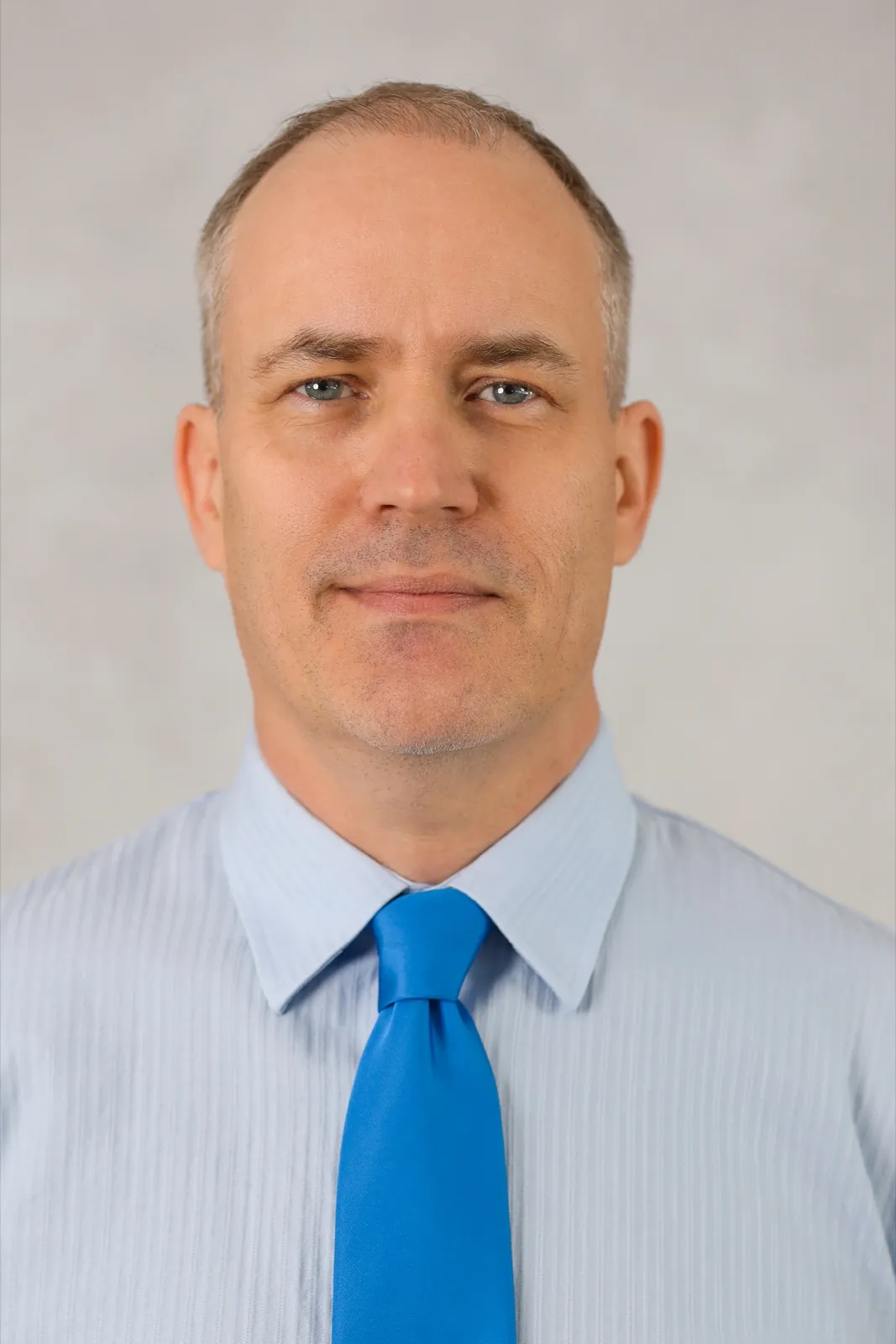
Chris Guempel, PT, MPT
owner, physical therapist since 2001, founded Encore in 2009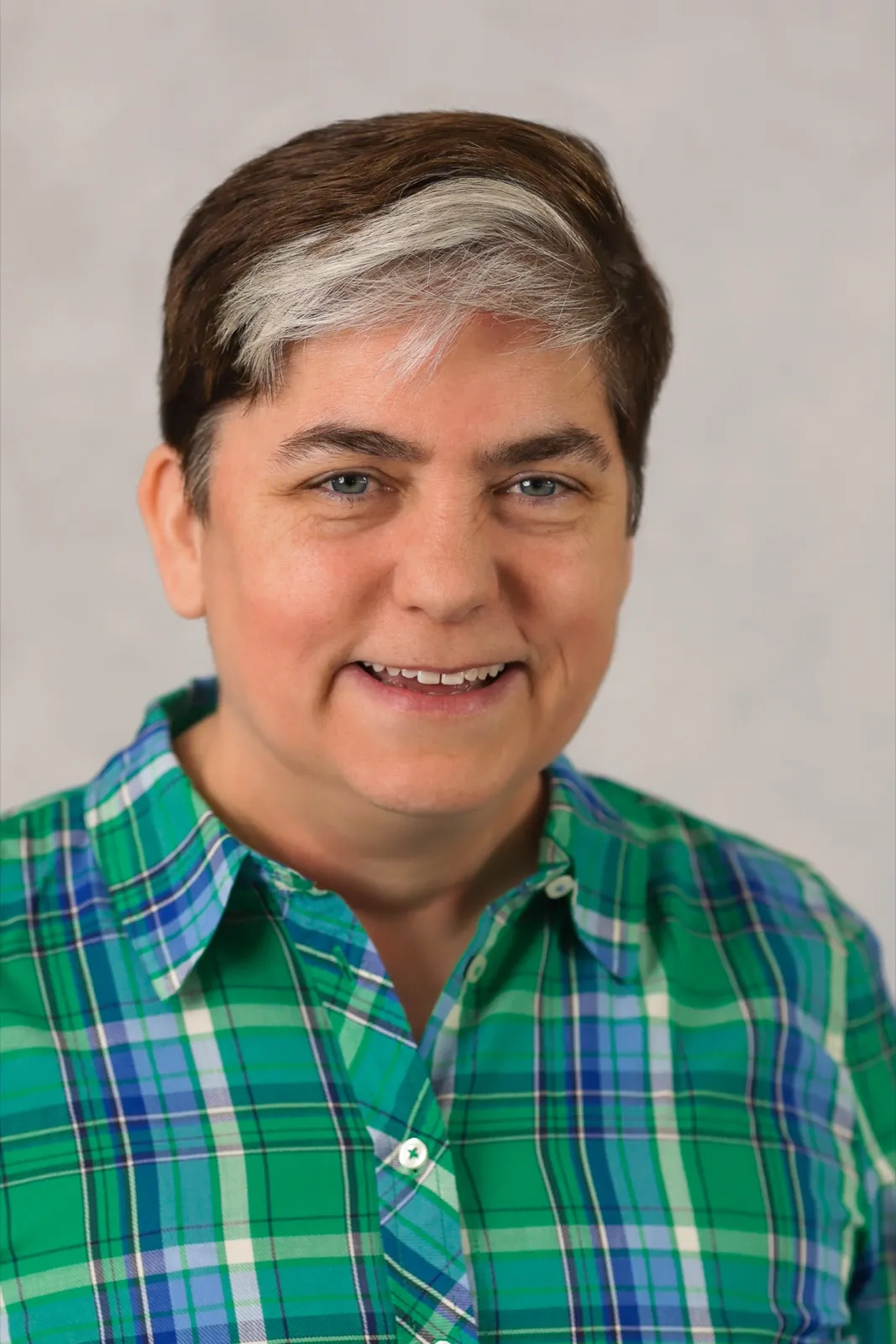
Kathy Lynch, PT, DPT
Doctor of Physical Therapy, continuing education in cervical, lumbopelvic and sports injuries, SFMA trainedNathan Smith, PT, MPT
physical therapist
Tiesha Oare, PTA
physical therapist assistant, joined Encore in 2020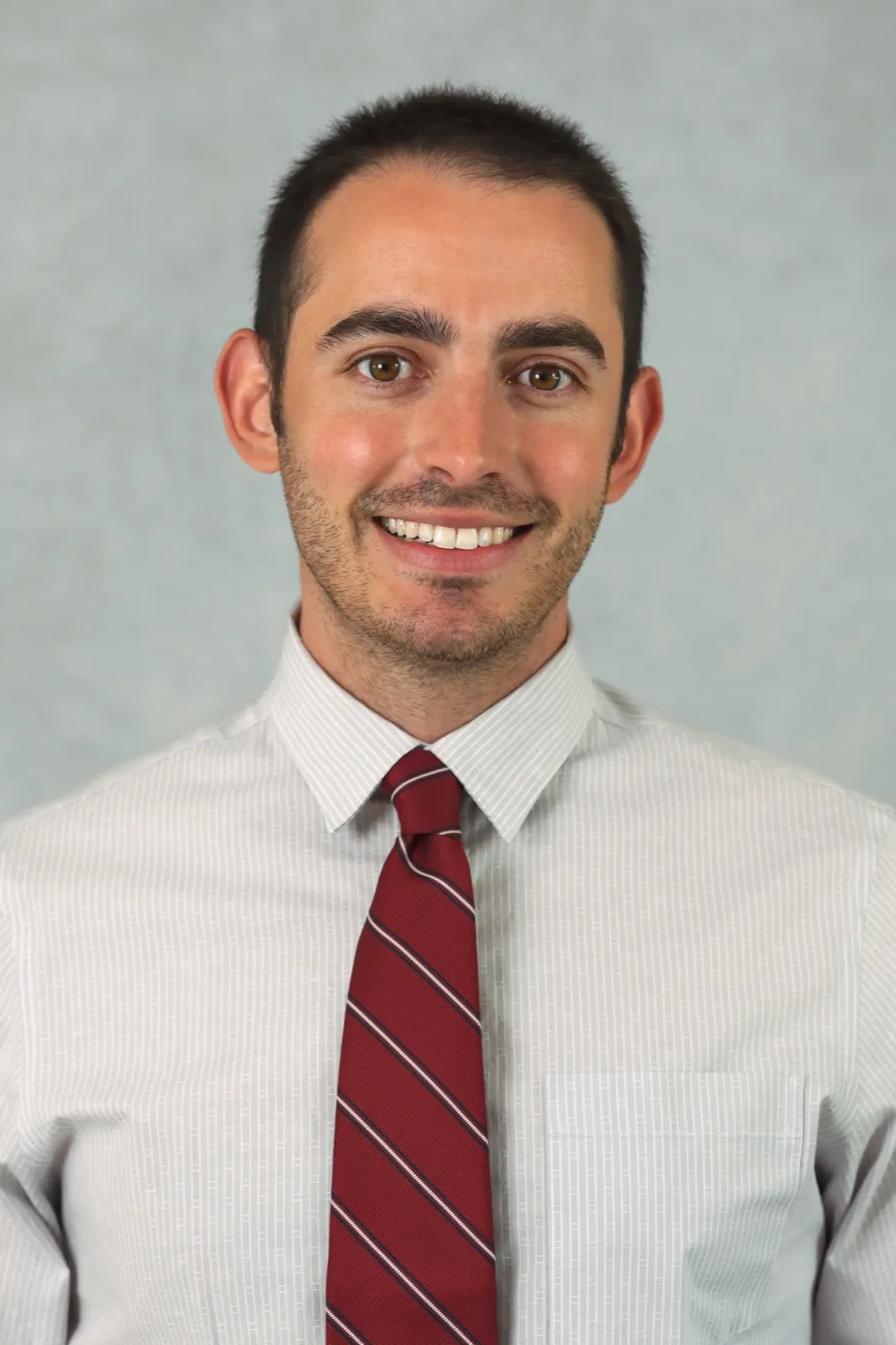
Aaron Nobiletti, PTA
physical therapist assistant, background in exercise science
Read reviews in our patients' words
Every review on our Google Business Profile is public, unedited, and written by the people we've treated and cared for. We're honored to have received nearly 200 five-star reviews, and to have helped each of those people reach a health goal.
“They are really nice people and they take their time you to make sure your feeling better then when you came in this has been a really good experience”
“Nathan is highly knowledgeable and uses his own stories to show what to do. His communication and upbeat spirit is inspiring.”
Questions We Hear a Lot
Do you do bike fitting?
No, we don't offer bike fitting at the clinic. We evaluate and treat the rider, meaning the knee, back, neck, hip or hand pain that shows up when you ride, and the mobility or strength limits behind it. If a fit change would help, your evaluation will make clear what your body needs from the position.
Do I need a doctor's referral to be seen for a cycling injury?
No. Oregon allows direct access, so you can usually schedule physical therapy and self-refer without a referral. Call (541) 758-2235 and we'll confirm what your specific plan requires.
How soon can I get in?
We can typically schedule an evaluation within a couple of weeks. Call during business hours, Monday through Friday 8am to 5pm, and if we can't reach you right away our reception team tries to get back to you within a business day.
Do you take Medicare and commercial insurance?
Yes. We accept Medicare and most commercial insurance plans, and cash pay is available. Give us your plan information when you call and we'll check your coverage.
What happens at my first visit?
Your first visit is a one-on-one evaluation with a licensed physical therapist. We'll talk through what happened and what you want to get back to, look at how you move to find the source of the problem, and then explain what we found and what your plan looks like.
What should I bring?
Your insurance card and a photo ID, a list of the medications you take, and any paperwork from your surgeon or doctor, including post-op instructions or a referral if you have one. Wear clothes that let us see and move the area we're treating: shorts for a knee or hip, a loose shirt or tank top for a shoulder.
Where to Go Next
Ready When You Are
Get Back to Your Life
Recover stronger. Move better. Stay active. Whether you're recovering from surgery or an injury, managing chronic pain, or working to prevent future injuries, contact us today to get started.