
“What impressed me the most was how she didn’t just focus on temporary relief—she equipped me with practical exercises that I still use to this day to keep my joints moving and muscles strong.”
Sports Conditioning and CrossFit Injury Physical Therapy in Corvallis
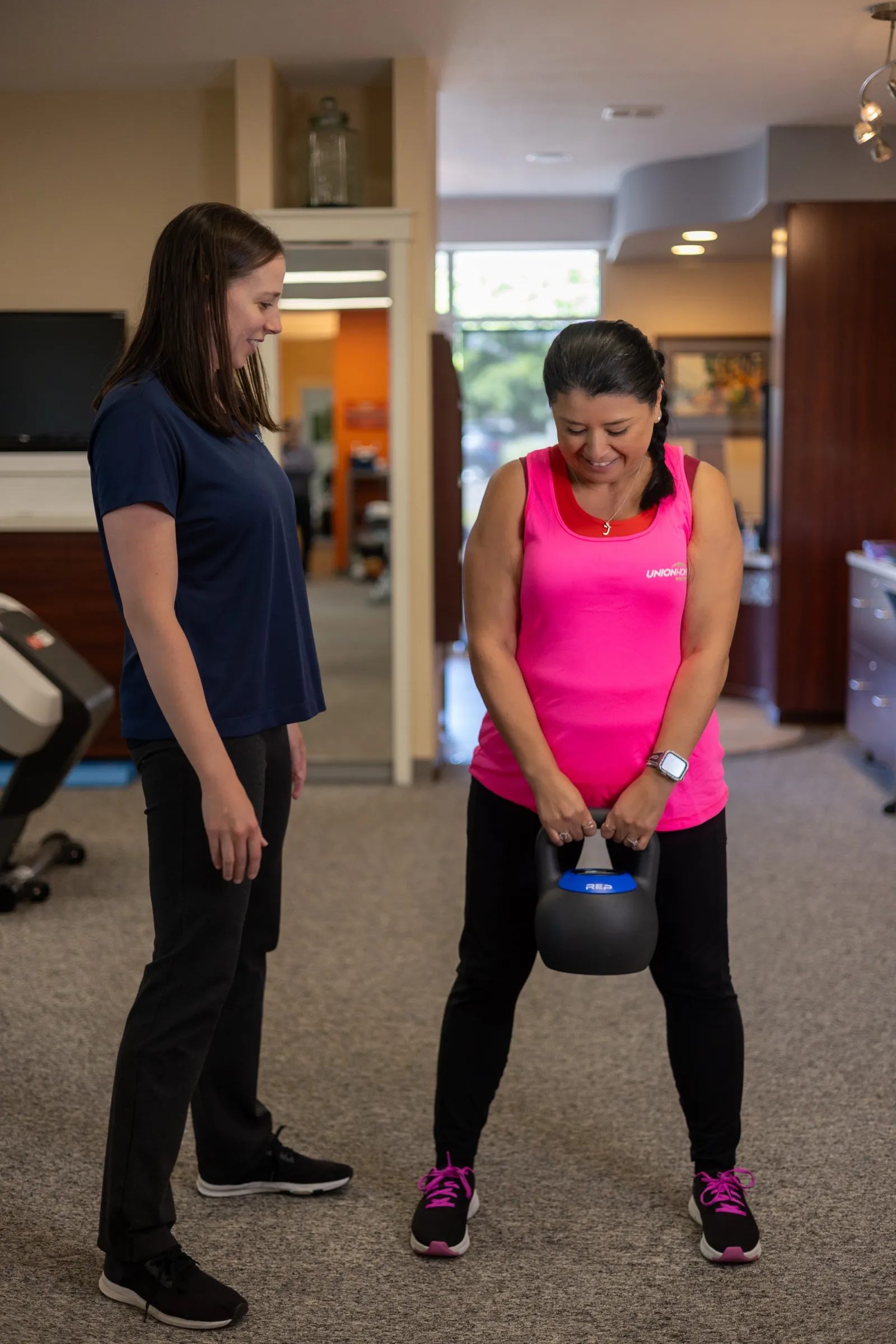
You want to keep training while you heal, and you want a plan that ends with you back under the bar instead of back on the couch. Encore Physical Therapy treats lifters, CrossFit athletes, and strength-sport hobbyists across Corvallis, Albany, and Philomath, with one-on-one evaluations by a licensed physical therapist.
At a glance
This page covers physical therapy for CrossFit and strength training injuries at Encore Physical Therapy, 2609 NW 9th Street in Corvallis, Oregon. It's for lifters dealing with shoulder, back, knee, or hip pain who want loading-tolerant rehab and a return to training. We're a direct-access clinic and can typically schedule an evaluation within a couple of weeks.
- Evaluations within a couple of weeks, not months on a waiting list
- Direct access clinic. In Oregon you can usually start PT without a doctor's referral
- Medicare and most commercial insurance accepted. Cash pay available
- One-on-one evaluation with a licensed physical therapist, not a hand-off
Common Injuries We Treat
Most lifters we help aren't badly hurt. The problem keeps showing up when the weight goes back on.
Shoulder
- Pain on overhead press
Back
- A low back that tightens on deadlifts
Knee and hip
- A knee that tracks strangely out of a squat
- A hip that pinches at depth
After surgery
- Lifters coming back from an operation
Not sure which of these describes what you're feeling? Call (541) 758-2235 and we'll talk it through.
Every condition we see, in detail
Most of the lifters we can help are not badly hurt in the emergency-room sense. Your shoulder complains on overhead press but feels fine on bench. Your low back tightens up on the third set of deadlifts and stays angry for two days. Your knee tracks strangely out of the hole on a squat, or your hip pinches at depth. You've already tried deloading, foam rolling, and switching the movement out, and the problem keeps showing up when the weight goes back on.
That's the situation this service is built around. Whether you train at a box, a garage gym, or a university weight room, the goal is the same: find what's actually driving the symptom, then load you back up in a way your tissue can tolerate. We also work with lifters coming off surgery, which pairs with our pre- and post-surgery rehabilitation care.
If your pain is new and you're not sure whether it needs a doctor first, call (541) 758-2235 and we'll talk it through.
What Care Looks Like at Encore
Treatment is built around what the exam finds, not a standard protocol.
- A movement and strength exam A licensed physical therapist looks at the joint that hurts and the joints above and below it.
- Hands-on treatment Joint and soft-tissue techniques to restore motion and reduce pain, with modalities or taping when they help.
- Load, not rest Exercise that progresses load, range and tempo rather than telling you to rest indefinitely.
- You learn the why So you can adjust your own training after discharge.
The hands-on techniques we use
Your first visit is an evaluation with a licensed physical therapist, one-on-one, not handed off to a tech. From there, treatment is built around what the exam finds rather than a standard protocol. Depending on your diagnosis, a plan may include:
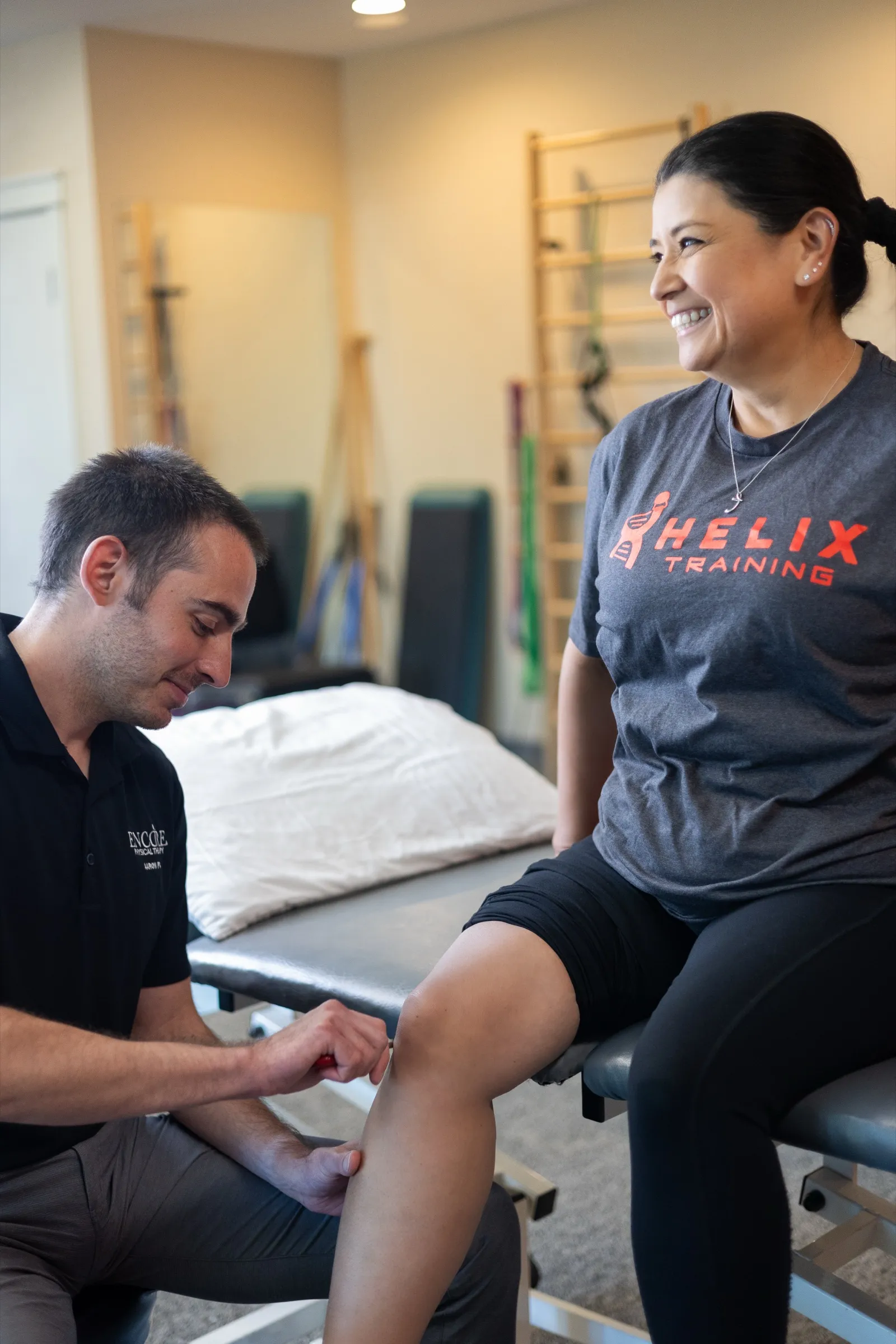
- A movement and strength exam that looks at the joint that hurts and the joints above and below it. Kathy Lynch, PT, DPT, has completed training in the Selective Functional Movement Assessment (SFMA), a structured way of finding which movement is the actual problem.
- Hands-on manual therapy. Our team draws from Maitland, McKenzie, Kaltenborn, Mulligan, Strain Counterstrain, Muscle Energy, and North American Institute of Manual Therapy methods, which are joint and soft-tissue techniques used to restore motion and reduce pain.
- Prescriptive exercise you do in the clinic and at home, aimed at restoring flexibility, strength, and integrity to the affected area. For lifters, that means progressing load, range, and tempo rather than telling you to rest indefinitely.
- Modalities when they help the process along, such as heat or cold early on to settle pain and inflammation, ultrasound or electrical stimulation to reduce pain or improve muscle activity, and taping to support a joint while it recovers.
- Education about what's happening in your body and why, so you can adjust your own training after discharge.
Not every athlete needs every piece. The treatment array is based on what works most effectively for you.
Who You’ll Work With
Your evaluation is done by a licensed physical therapist, and you see familiar faces through your plan of care rather than a new person each visit.
Ask for Kathy Lynch
Kathy Lynch, PT, DPT owns Helix Training, a strength and conditioning gym in Corvallis, and is SFMA trained, so barbell and kettlebell work is familiar ground.
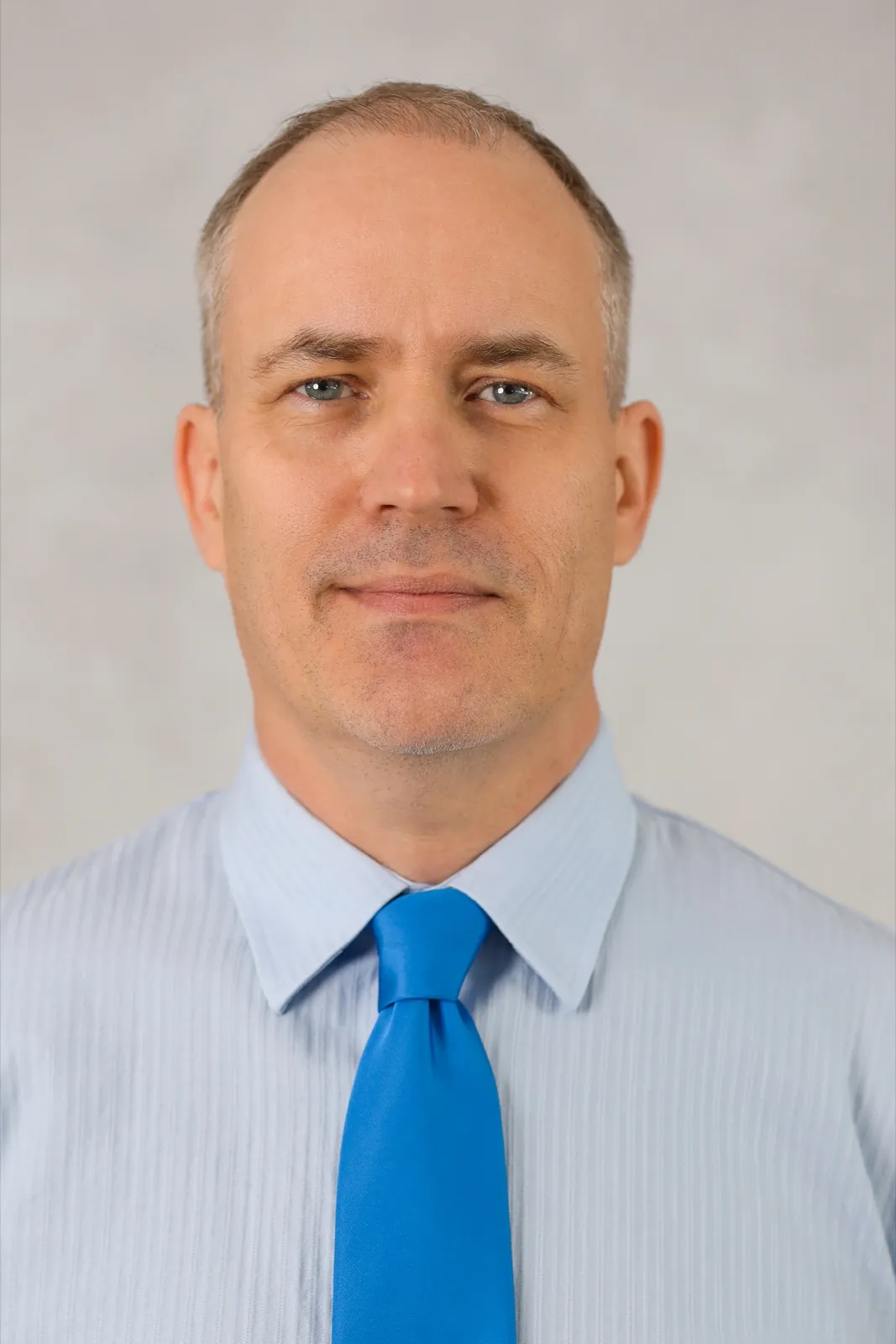
Chris Guempel, PT, MPT
owner, physical therapist since 2001, founded Encore in 2009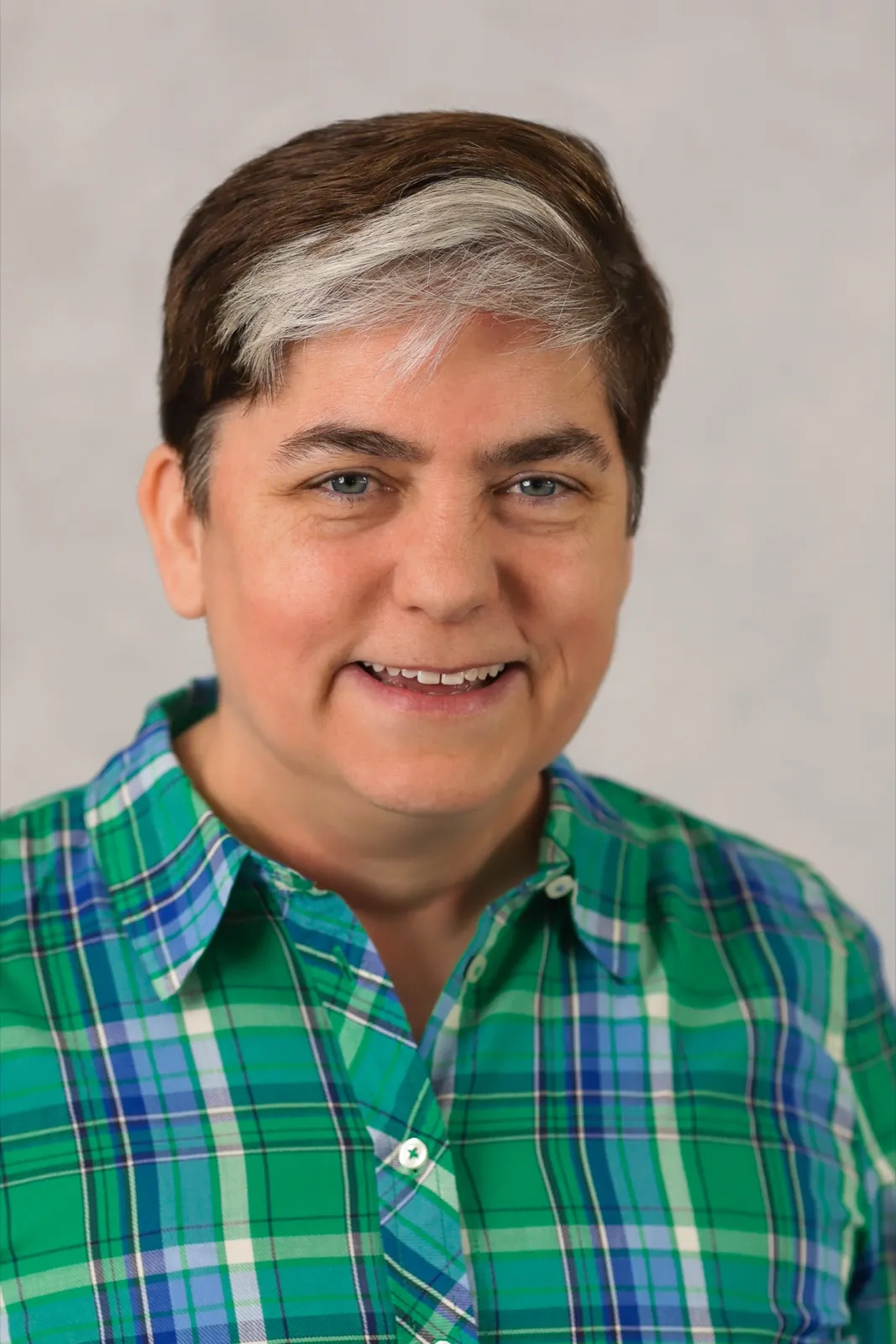
Kathy Lynch, PT, DPT
Doctor of Physical Therapy, continuing education in cervical, lumbopelvic and sports injuries, SFMA trainedNathan Smith, PT, MPT
physical therapist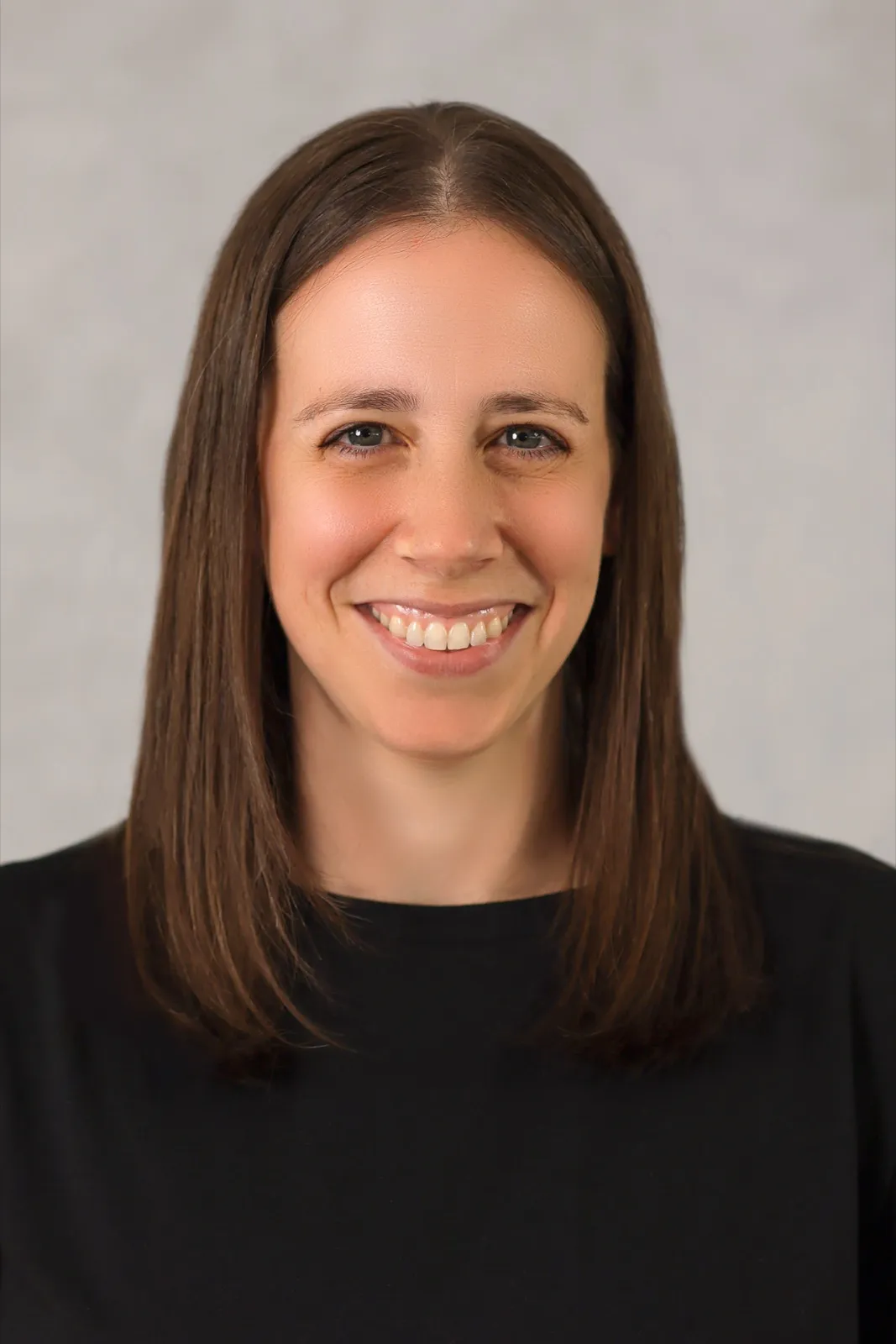
Tiesha Oare, PTA
physical therapist assistant, joined Encore in 2020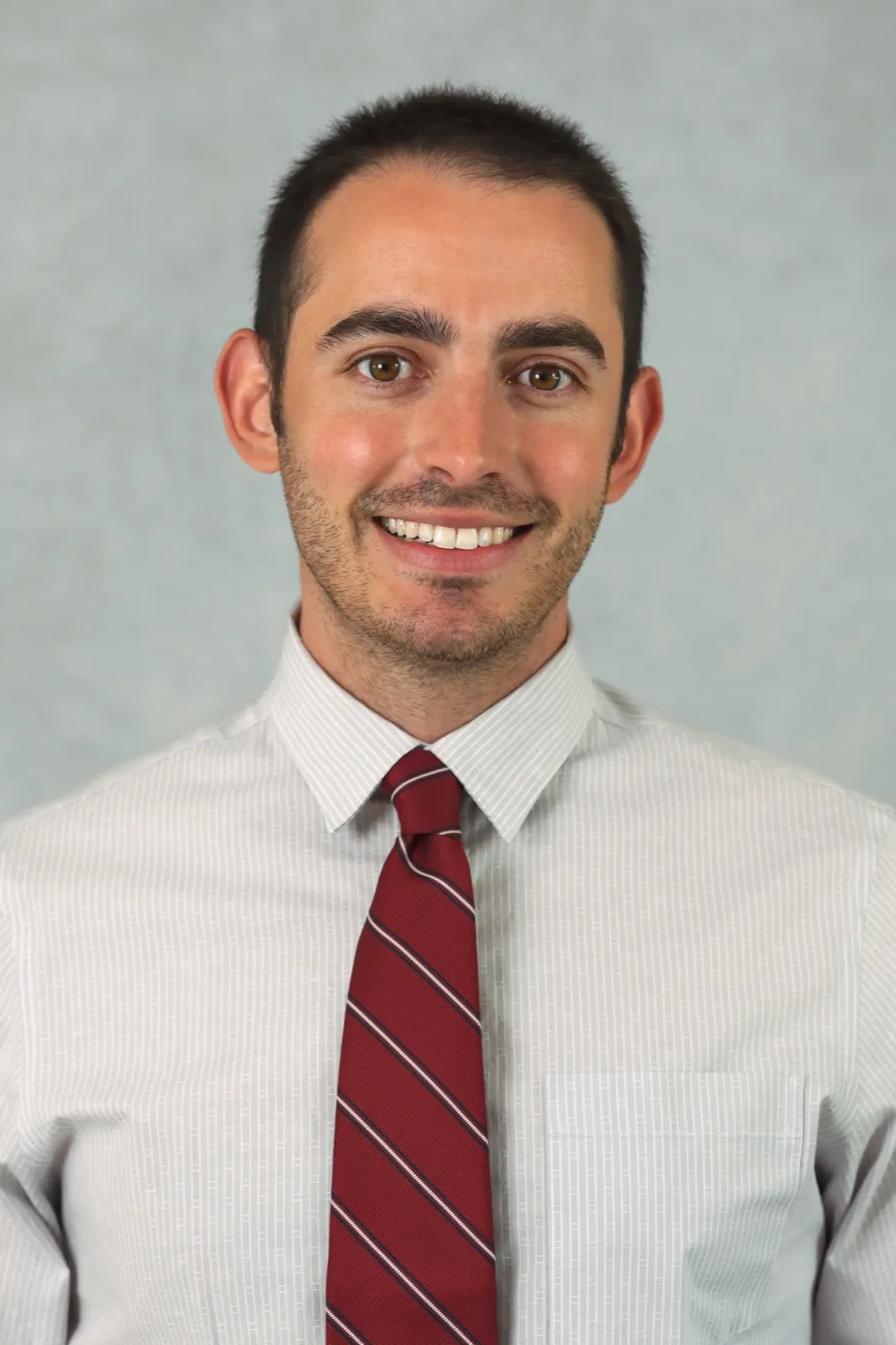
Aaron Nobiletti, PTA
physical therapist assistant, background in exercise science
Credentials and training
Encore has served Corvallis and the surrounding communities since 2009. Chris Guempel, PT, MPT, has practiced physical therapy since 2001 and opened the clinic after deliberately spending his first years in the field sharpening evaluation and treatment skills. The team is small on purpose: physical therapists Chris Guempel, Kathy Lynch, PT, DPT, and Nathan Smith, PT, MPT, working alongside physical therapist assistants Tiesha Oare and Aaron Nobiletti. Aaron holds a bachelor's degree in Exercise Science from Western Oregon University and has a particular interest in treating athletes.
We accept Medicare and most commercial insurance plans, and cash pay is available. Call and we'll check your plan.
See the rest of our sports medicine services if you cross-train in more than one sport.
Why patients choose Encore
We don't chase symptoms. We teach people about their bodies and practice evidence-based care, which for a strength athlete means you leave knowing which positions to respect, which to load, and how to tell the difference next time.
Access is the other piece. We can typically take an evaluation within a couple of weeks, and Oregon is a direct-access state, so you can usually start physical therapy without a doctor's referral. If you're mid-cycle or have a meet on the calendar, that gap between "something's wrong" and "someone looked at it" matters.
If you're healthy and want to stay that way, our injury prevention and conditioning page covers the proactive side.
Read reviews in our patients' words
Every review on our Google Business Profile is public, unedited, and written by the people we've treated and cared for. We're honored to have received nearly 200 five-star reviews, and to have helped each of those people reach a health goal.
“Therapy is amazing . I recommend Encore for an ultimate excersise that feels vitalizing and therapist who care .”
“They got me in quickly when I had an injury and treated the symptoms while treating me as a person. Kathy and Aaron were attentive and adjusted my program as I healed.”
Frequently asked questions
How soon can I get in?
We can typically schedule an evaluation within a couple of weeks rather than the multi-month waits some patients run into elsewhere. Call (541) 758-2235 during business hours, Monday through Friday, 8am to 5pm.
Do I need a referral from my doctor?
No. Oregon allows direct access, which means you can self-refer and start physical therapy without a physician's referral. If your insurance plan requires a referral, we'll tell you when we check your benefits.
Will I have to stop lifting?
Not usually. Your plan is built around what your body currently tolerates, and in most cases that means modifying load, range, or movement selection rather than stopping altogether. Your therapist will be specific about what to keep and what to shelve.
Do you take Medicare and commercial insurance?
Yes. We accept Medicare and most commercial plans, and cash pay is an option. We'll verify your coverage before your first visit.
What happens at my first visit?
Your first visit is a one-on-one evaluation with a licensed physical therapist. We'll talk through what happened and what you want to get back to, look at how you move to find the source of the problem, and then explain what we found and what your plan looks like.
What should I bring?
Your insurance card and a photo ID, a list of the medications you take, and any paperwork from your surgeon or doctor, including post-op instructions or a referral if you have one. Wear clothes that let us see and move the area we're treating: shorts for a knee or hip, a loose shirt or tank top for a shoulder.
Where to Go Next
Ready When You Are
Get Back to Your Life
Recover stronger. Move better. Stay active. Whether you're recovering from surgery or an injury, managing chronic pain, or working to prevent future injuries, contact us today to get started.