
“They assessed it was actually a back problem. After just one exercise, that was corroborated, despite two other PTs simply working on leg strength and hip exercises to address it.”
Golf Injury Rehabilitation and Sports Injury Rehab in Corvallis, Oregon
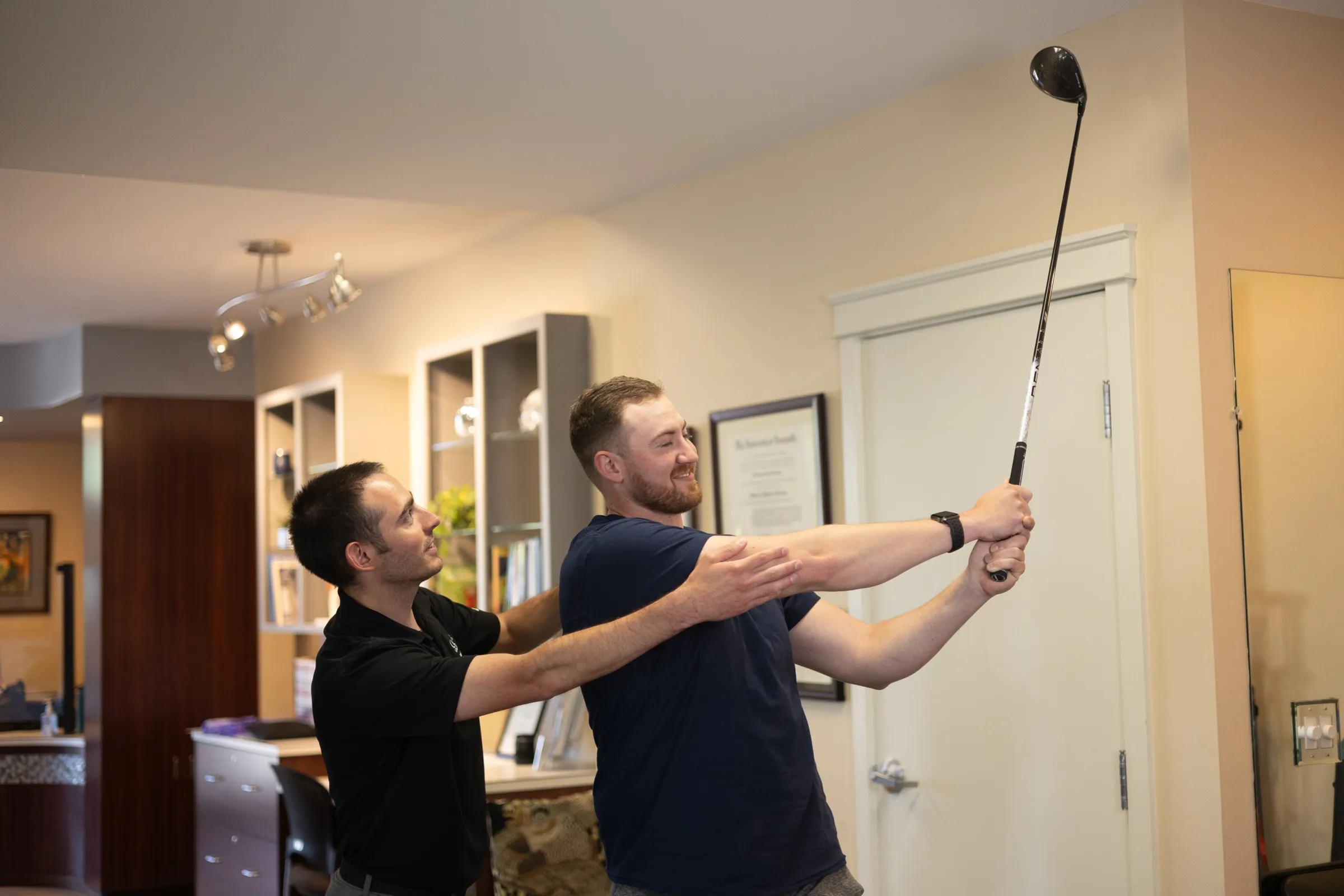
Encore Physical Therapy treats golfers from Corvallis, Albany, Philomath and Newport who are playing through low back, shoulder, elbow, hip or wrist pain.
- Evaluations within a couple of weeks, not months on a waiting list
- Direct access clinic. In Oregon you can usually start PT without a doctor's referral
- Medicare and most commercial insurance accepted. Cash pay available
- One-on-one evaluation with a licensed physical therapist, not a hand-off
Common Injuries We Treat
Golf rarely hurts in one dramatic moment. When one part of the swing stops doing its share, another picks up the slack and eventually complains.
Back
- A low back that stiffens by the twelfth hole
Shoulder
- A lead shoulder that won't finish the follow-through
Elbow
- An elbow that aches every time you take a divot
Your game
- Playing in pain and shortening your swing
- Lost distance you suspect is your body
- Coming back from surgery or an injury
Not sure which of these describes what you're feeling? Call (541) 758-2235 and we'll talk it through.
Every condition we see, in detail
You get a one-on-one evaluation with a licensed physical therapist, a plan built around the rounds you want to play, and hands-on treatment at our clinic on NW 9th Street. Most new patients are seen within a couple of weeks.
Most golfers who call us aren't coming off a fall or a collision. They've got a low back that stiffens by the twelfth hole, an elbow that aches every time they take a divot, or a lead shoulder that won't finish the follow-through the way it used to. The swing asks a lot of your hips, mid-back, shoulders and wrists, and when one of those areas stops doing its share, another one picks up the slack and eventually complains about it.
This page is for you if you're in one of a few spots:
- You're playing in pain and quietly shortening your swing to avoid it
- You've already lost distance, and you suspect it's your body rather than your equipment
- You're coming back from surgery or an injury and want a real plan to get back on the course
- You want to still be walking eighteen at 80
We treat the pain, and we explain what's causing it, because a golfer who understands why the back is taking the load is a golfer who can do something about it. Our approach across every sport we treat is described on the sports medicine page.
What Care Looks Like at Encore
The evaluation decides which treatment makes sense for you.
- A one-on-one evaluation A licensed physical therapist takes a full history, examines how you move and finds where the symptoms actually come from.
- Hands-on treatment Skilled work to restore motion in the joints and tissue your swing depends on.
- Exercise, in clinic and at home Exercises chosen for your problem rebuild flexibility, strength and control. The home program is part of the treatment.
- A plan that adjusts Heat, cold, ultrasound or taping when they help, and a quick change of course if you aren't improving.
The hands-on techniques we use
1. A one-on-one evaluation with a licensed physical therapist. Not a screening handed off to someone else. We take a full history, examine how you move, and identify where the symptoms are actually coming from. That evaluation is what determines which treatment options make sense for you.
2. Hands-on treatment
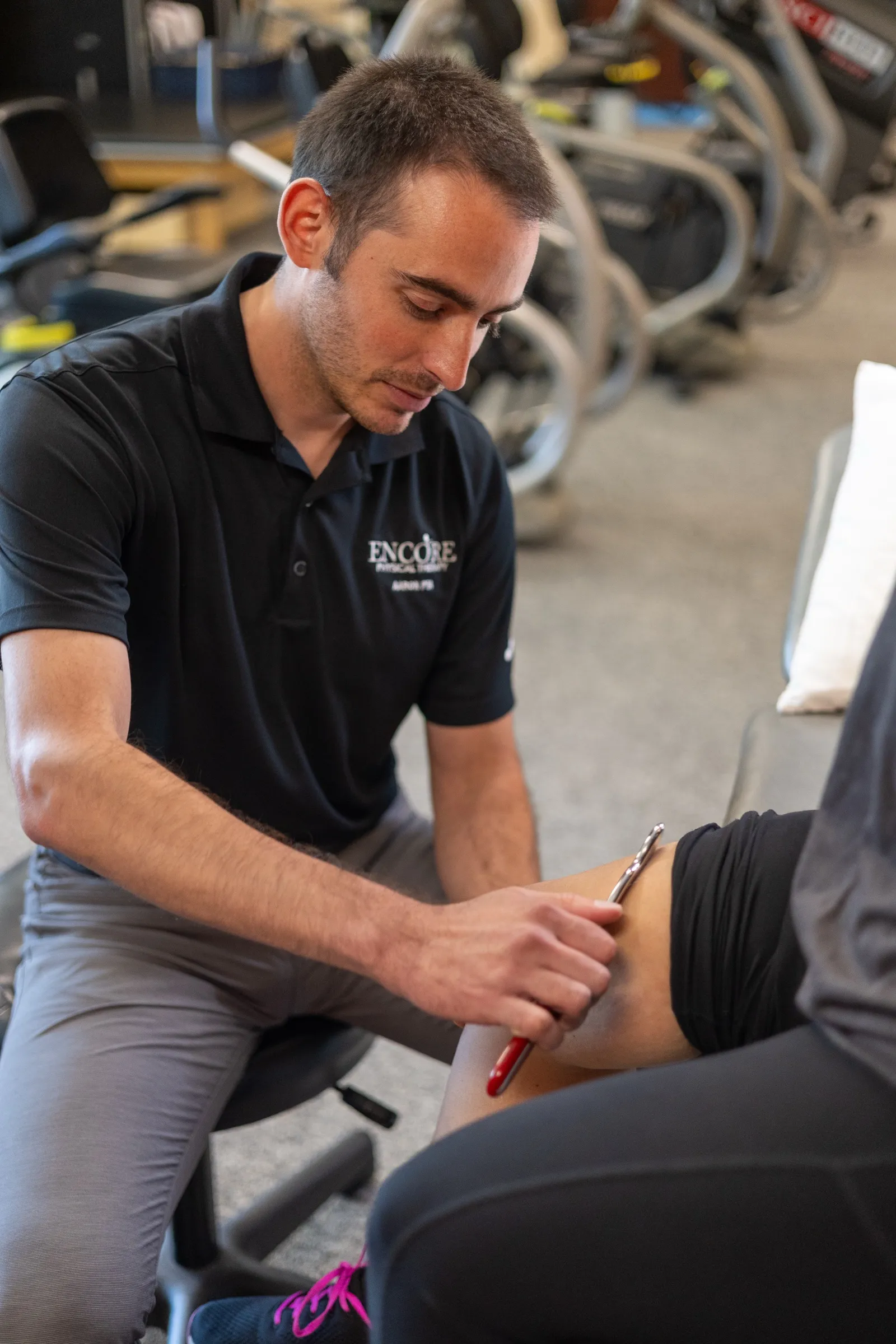
Our therapists use an extensive range of manual therapy techniques, drawing on methods from Maitland, McKenzie, Kaltenborn, Mulligan, Strain Counterstrain, Muscle Energy and the North American Institute of Manual Therapy. In plain terms, that means skilled hands-on work to restore motion in the joints and tissue that your swing depends on.
3. Prescriptive exercise, in the clinic and at home
Exercises chosen for your specific problem to rebuild flexibility, strength and control in the areas that are failing you. The home program is part of the treatment, not an afterthought.
4. Modalities when they help
Heat or cold early on to settle pain and inflammation. Ultrasound, a form of deep heat delivered by sound waves, or electrical stimulation to reduce pain and improve muscle activity. Taping when it supports the healing process.
5. Adjustment along the way
If you're not indicating improvement, we change the plan. Chris Guempel, PT, MPT, puts it directly: the initial exam and treatment plan will be detail oriented, and he'll be quick to change course if something isn't working.
If your golf problem started with surgery, our pre- and post-surgical rehabilitation page covers how that care works.
Who You’ll Work With
Your evaluation is done by a licensed physical therapist, and you see familiar faces through your plan of care rather than a new person each visit.
Ask for Aaron Nobiletti
Aaron Nobiletti, PTA, has a particular interest in treating athletes, golfers in particular, and plays golf himself.
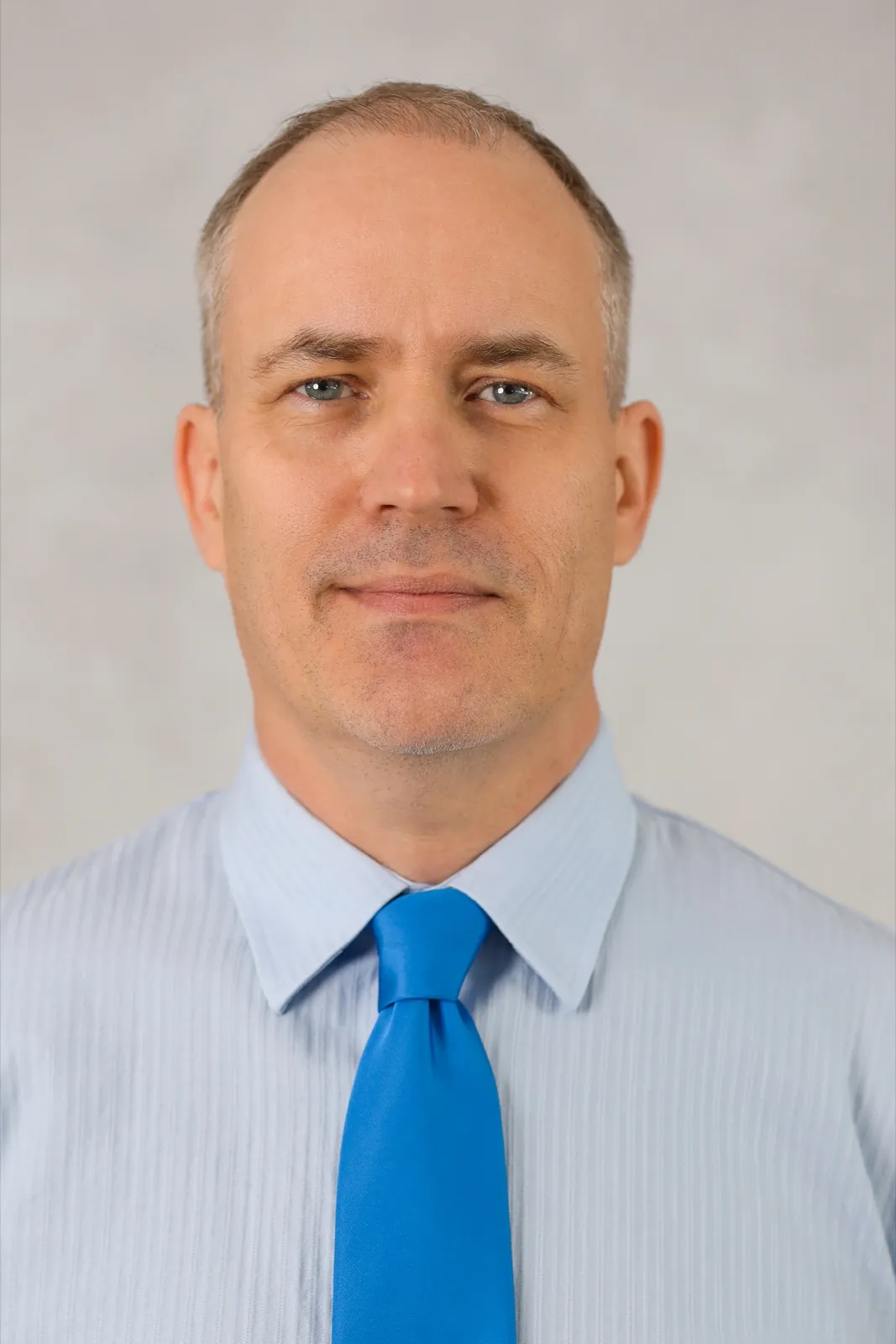
Chris Guempel, PT, MPT
owner, physical therapist since 2001, founded Encore in 2009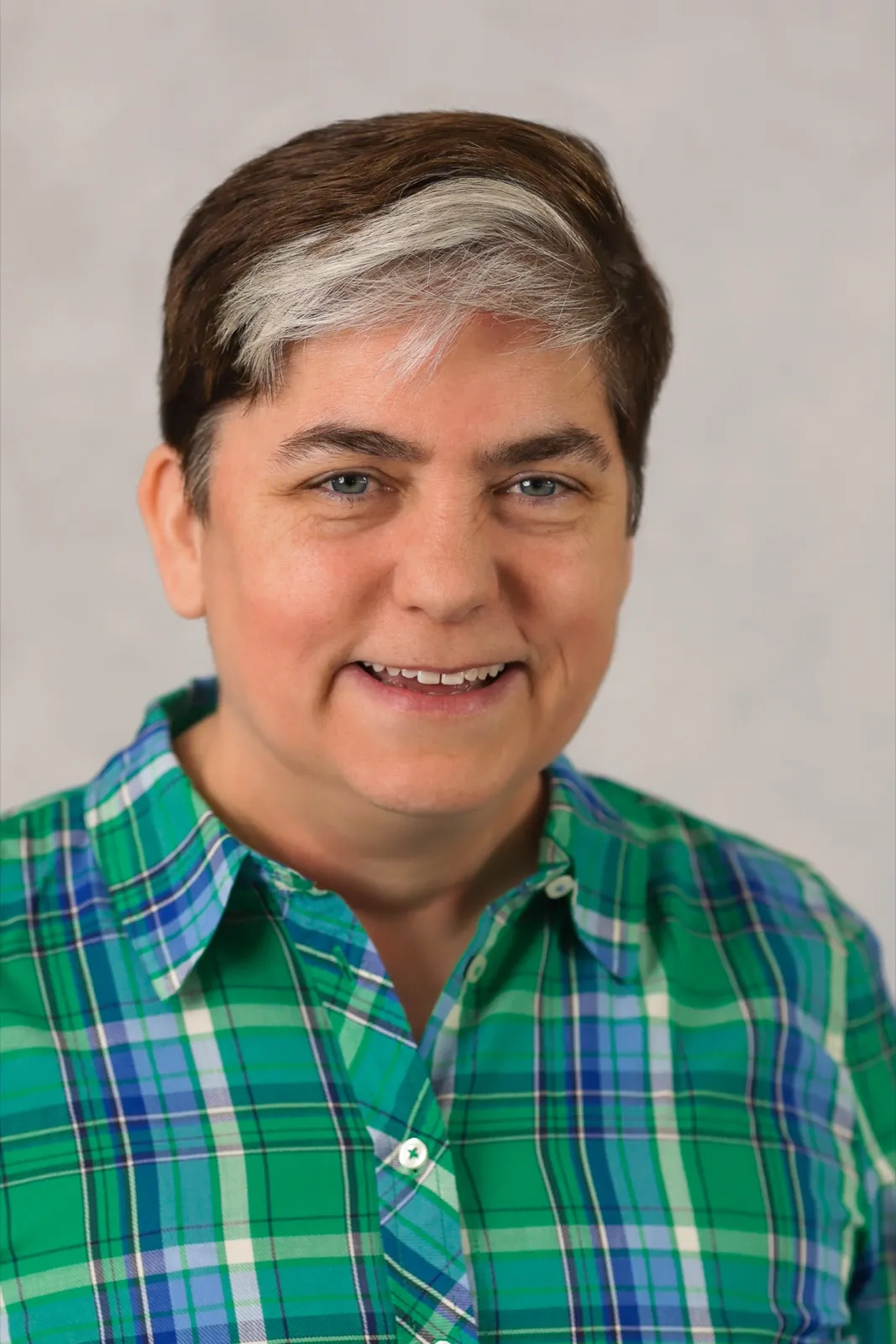
Kathy Lynch, PT, DPT
Doctor of Physical Therapy, continuing education in cervical, lumbopelvic and sports injuries, SFMA trainedNathan Smith, PT, MPT
physical therapist
Tiesha Oare, PTA
physical therapist assistant, joined Encore in 2020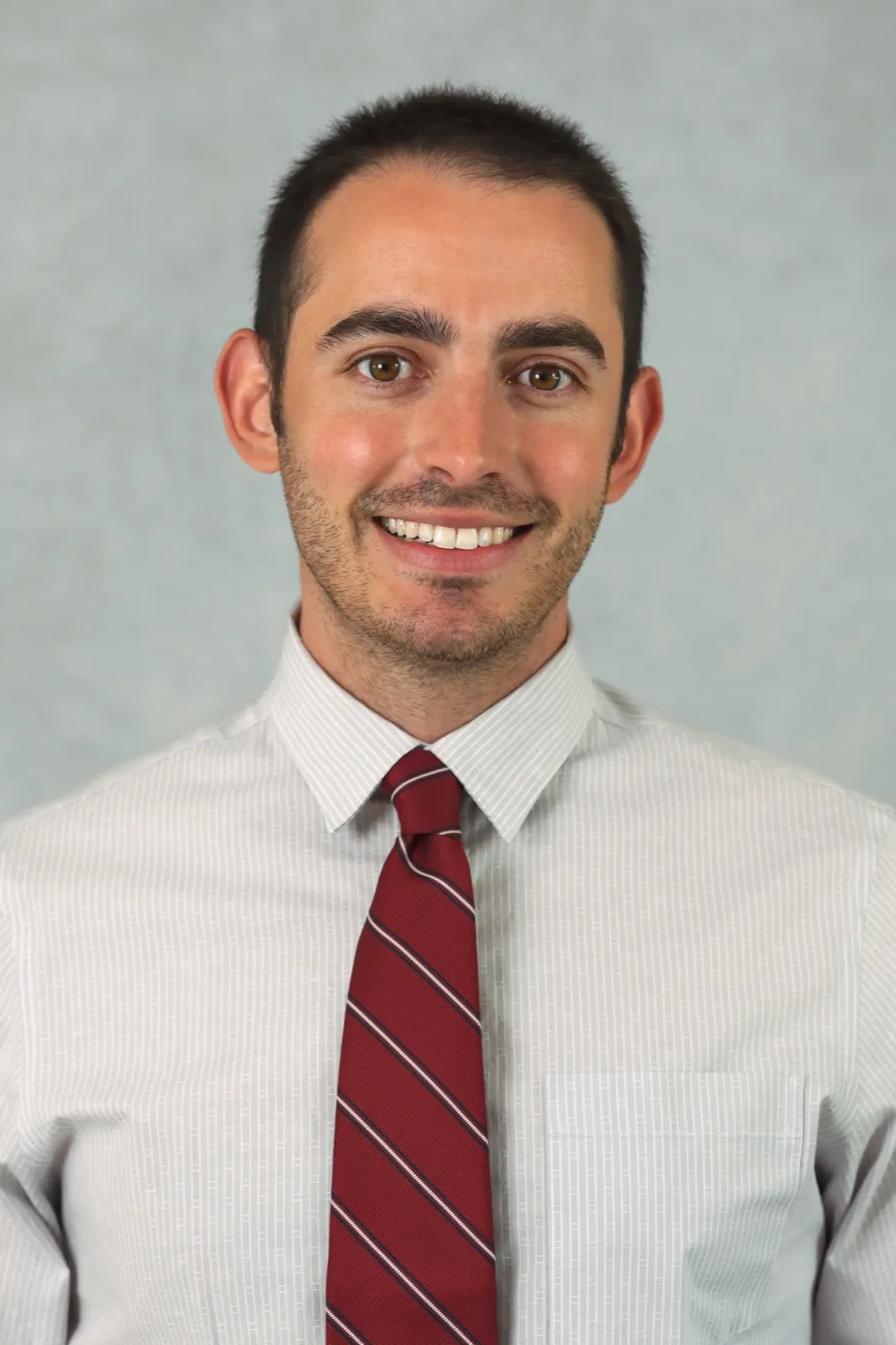
Aaron Nobiletti, PTA
physical therapist assistant, background in exercise science
Credentials and training
Aaron Nobiletti, PTA, has a particular interest in treating athletes, and golfers in specific. He plays golf himself, holds a bachelor's degree in Exercise Science from Western Oregon University and completed his Physical Therapist Assistant certification at Mt. Hood Community College. He treats the patient as a whole rather than the diagnosis alone. More about Aaron.
The rest of the team brings the same depth. Chris Guempel, PT, MPT, has practiced since 2001 and opened Encore in 2009. Kathy Lynch, PT, DPT, holds a Doctor of Physical Therapy from the University of Colorado-Anschutz Medical Campus and has completed continuing education in cervical, lumbopelvic and sports injuries along with training in the Selective Functional Movement Assessment. We're members of the American Physical Therapy Association.
Why patients choose Encore
You can get started soon
We can typically schedule an evaluation within a couple of weeks rather than three or four months. For a golfer trying to salvage a season, that gap matters.
Direct access
In Oregon you can usually start physical therapy without a doctor's referral. Call us and we'll tell you where you stand.
You're treated as a person, not a diagnosis code
We're a team of five. You'll know your therapist's name and they'll know what you're training for.
We teach, not just treat
We don't chase symptoms. We teach people about their bodies and practice evidence-based care, which is what makes the results hold up after you're discharged.
Insurance and cash pay
We accept Medicare and most commercial plans. Some golf work falls outside what a plan will cover, and cash pay is available for that. Call and we'll check your coverage before you start.
Questions about scheduling or coverage? Reach us through the contact page.
Read reviews in our patients' words
Every review on our Google Business Profile is public, unedited, and written by the people we've treated and cared for. We're honored to have received nearly 200 five-star reviews, and to have helped each of those people reach a health goal.
“Encore's staff is knowledgeable and friendly with just the right amount of push to encourage the patient through sometimes difficult exercises.”
“She is an amazing PT and person, who listens carefully, has so much knowledge and is incredibly thoughtful in her approach to patients.”
Questions We Hear a Lot
Do I need a referral from my doctor to start golf injury rehabilitation?
No. Encore is a direct access clinic, so you can self-refer and schedule an evaluation yourself. Some insurance plans still ask for a referral for billing purposes, so call us at (541) 758-2235 and we'll check your plan.
How soon can I get in for an evaluation?
We can typically schedule a new evaluation within a couple of weeks. Reception aims to get back to you within a business day to set the appointment.
Do I have to stop golfing while I'm in therapy?
Not automatically. Your therapist will look at what you're doing on the course and what your symptoms are doing in response, then set that with you at the evaluation. Continuing to play in a modified way is often part of the plan.
Is physical therapy for golf covered by insurance?
We accept Medicare and most commercial insurance for injury rehabilitation, and cash pay is available. We'll verify your specific plan before treatment so you know what to expect.
What happens at my first visit?
Your first visit is a one-on-one evaluation with a licensed physical therapist. We'll talk through what happened and what you want to get back to, look at how you move to find the source of the problem, and then explain what we found and what your plan looks like.
What should I bring?
Your insurance card and a photo ID, a list of the medications you take, and any paperwork from your surgeon or doctor, including post-op instructions or a referral if you have one. Wear clothes that let us see and move the area we're treating: shorts for a knee or hip, a loose shirt or tank top for a shoulder.
Where to Go Next
Ready When You Are
Get Back to Your Life
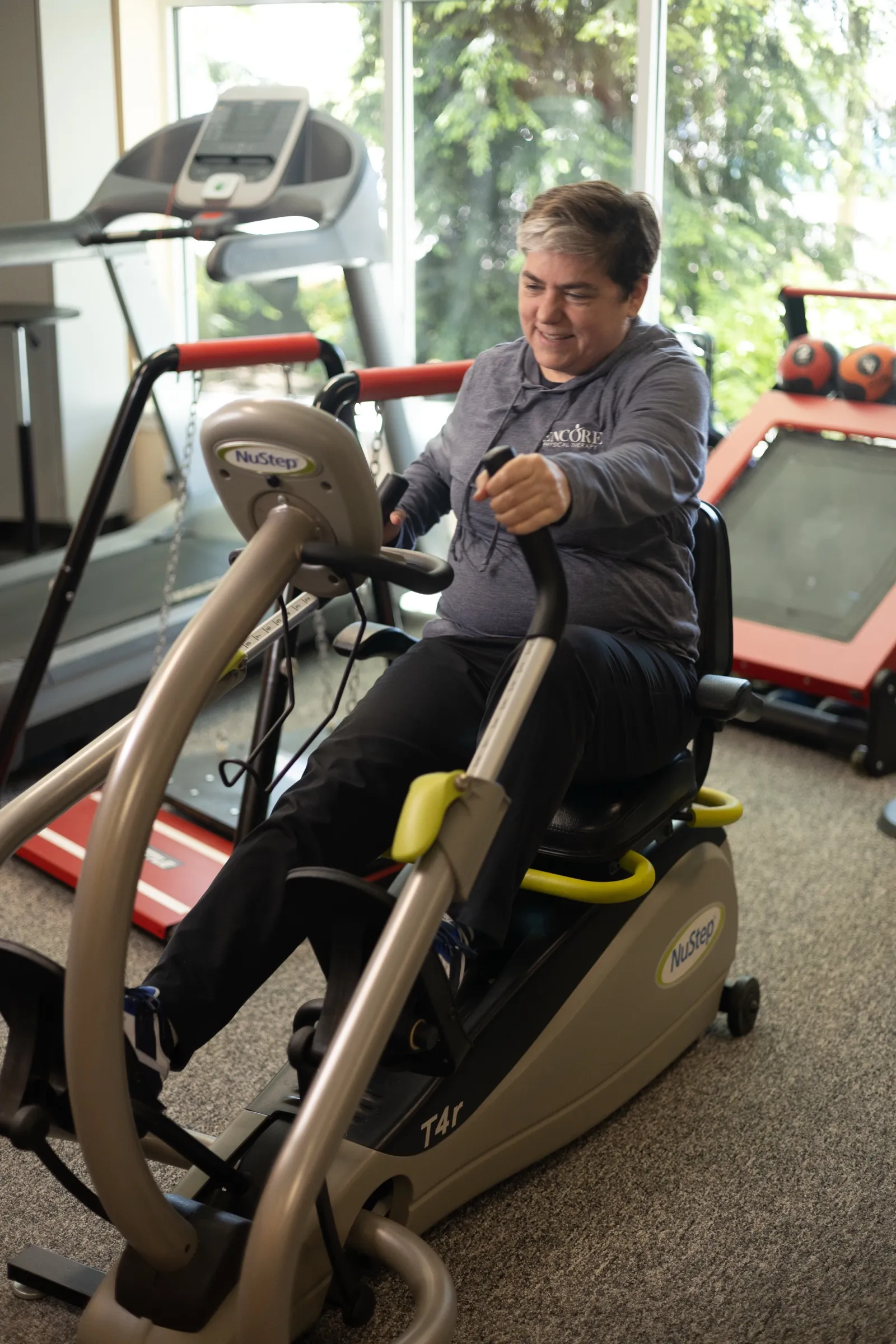
Recover stronger. Move better. Stay active. Whether you're recovering from surgery or an injury, managing chronic pain, or working to prevent future injuries, contact us today to get started.